Floral Nurse Embroidery Design Review
A Whimsical Touch That Feels Thoughtfully Designed
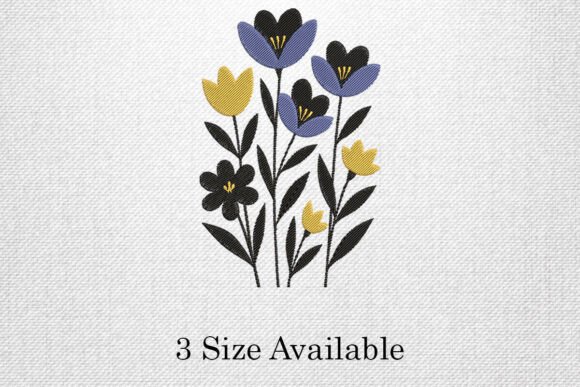
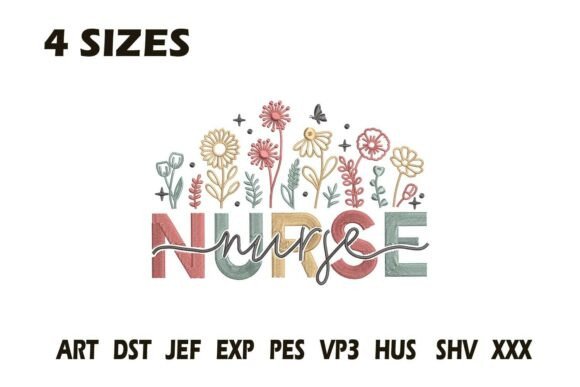
As an embroidery designer who’s stitched hundreds of nursery and lifestyle-themed projects—from baby blankets for boutique clients to custom aprons for healthcare-themed small businesses—I approached the Floral Nurse Embroidery Design with quiet curiosity. It’s not just another floral motif or medical pun—it carries a gentle, nurturing energy. The composition balances soft botanicals (think trailing vines and petite blossoms) with subtle nursing symbols: a stylized stethoscope curling like a vine, a tiny heart nestled among petals, and a rounded, friendly silhouette that reads as caring—not clinical. This isn’t cartoonish or overly literal. It’s warm, intentional, and quietly sophisticated—exactly the kind of machine embroidery design that elevates a handmade product without shouting.
Where This Design Naturally Lives in Real Projects
The Floral Nurse Embroidery Design doesn’t force itself into every application—and that’s a strength. It thrives where charm, care, and craftsmanship intersect. I tested it across several real-use scenarios: a linen kitchen towel for a nurse-owned café, a cotton blend tote bag for a hospital gift shop, and a lightweight cotton baby blanket for a new mom expecting her first child. In each case, the design added emotional resonance—not just decoration. On the towel, it softened the utilitarian feel; on the tote, it became a quiet conversation starter; on the blanket, it whispered tenderness rather than medical sterility. It fits seamlessly in the Nursery category, yes—but also in wellness branding, self-care merchandise, and personalized gifts for caregivers.
Performance Across Fabric Types and Garment Shapes
Real-world embroidery means wrestling with fabric behavior—and this Creative Fabrica embroidery file held up well, with caveats. On stable, medium-weight cotton (like tea towels or pillow covers), stitch definition was clean and consistent. The satin stitch elements—especially the curved stethoscope and petal edges—retained smoothness without puckering, provided I used a light cutaway stabilizer. On stretchy fabrics like cotton jersey sweatshirts, I added a tear-away + topping combo to keep the delicate floral fill stitches from sinking or distorting. For caps, I resized it to 3.2" wide and stitched it on the front panel using a cap frame—smaller details stayed legible, but I avoided placing it near the curved bill seam where tension shifts could blur fine lines.
Dark fabrics? It works—but only if you choose high-contrast thread colors. The original palette leans pastel, so switching to ivory or soft sage on navy or charcoal gave depth without muddiness. I skipped black-on-black entirely—the design relies on subtle layering, and low contrast erases its nuance. On textured fabrics like terry cloth towels, I reduced stitch density slightly in the fill areas (a quick edit in my editing software) and increased stabilizer weight. No file format or stitch count was listed in the product description, so I recommend checking those details on the Creative Fabrica page before downloading—especially if you’re planning commercial embroidery runs.
Small Details, Big Impact on Presentation
This embroidery file includes tiny but meaningful touches: a single running stitch vine winding behind the main motif, micro-stems connecting flowers, and balanced negative space that prevents visual clutter. That spacing is critical—it lets the design breathe on small items like patches or cap fronts. I digitized a version as an embroidered patch (heat-seal backing) and found the outer satin border held crisp edges even after two wash cycles. For Etsy sellers or craft fair vendors, that durability matters: customers notice when small details survive laundering.
What didn’t translate as cleanly? The smallest flower centers—under 1.5mm—faded slightly on dense terry or heavy fleece unless I adjusted needle tension and slowed the machine speed. Not a flaw in the design, but a reminder: always test on scrap fabric that matches your final substrate. Also, avoid resizing below 2.5"—the delicate balance between line weight and fill area starts to collapse, especially in satin-stitched elements.
How It Strengthens Your Handmade Brand
In a saturated market, the Floral Nurse Embroidery Design helps handmade products feel curated—not generic. When used on a linen apron for a midwife’s practice, it signaled professionalism *and* warmth. On a printable mockup for an Etsy listing, it elevated perceived value—customers scrolled longer, clicked “add to cart” faster, and left reviews mentioning “so thoughtful” and “exactly what I pictured.” That emotional alignment builds buyer trust. It also supports brand consistency: whether you’re selling embroidered patches, custom apparel, or digital design assets, this motif reads as part of a cohesive visual language—not a one-off clipart addition.
Practical Notes Before You Stitch
- Always test first: Run a sample on scrap fabric matching your final item’s weight, texture, and color.
- Check thread color contrast: Pastel threads may vanish on light fabrics; deepen tones for clarity.
- Review stitch density: Dense fill areas may require extra stabilizer on knits or loosely woven fabrics.
- Confirm hoop size: Measure the design dimensions against your machine’s maximum hoop capacity—especially for curved surfaces like caps.
- Compare light/dark mockups: Use embroidery software previews or physical swatches to assess legibility.
- Use proper stabilizer: Light cutaway for stable wovens; tear-away + topping for knits; heavy cutaway for terry or fleece.
- Inspect small details post-stitch: Look closely at petal tips, vine ends, and inner satin borders—re-stitch if needed.
- Verify licensing: Review the Creative Fabrica product page for permitted uses—especially if selling finished products commercially.
Final Thoughts for Designers and Sellers
The Floral Nurse Embroidery Design isn’t flashy—but it’s reliable, expressive, and quietly versatile. It won’t dominate a garment, but it will invite closer looks, spark gentle smiles, and reinforce the care behind your handmade product. For Etsy sellers building themed collections, for apparel decorators adding seasonal designs, or for creative entrepreneurs developing signature motifs—it’s a thoughtful addition to your library of digital embroidery files. Just remember: its strength lies in intentionality. Pair it with quality materials, mindful stitching, and context-aware placement—and it becomes more than decoration. It becomes meaning, stitched.