Layers of California Embroidery Files
A Designer’s Real-World Test Before the First Customer Order
As an embroidery designer who’s developed over 200 custom collections for gift shops, Etsy sellers, and baby boutiques across North America, I approach every new digital embroidery file with equal parts curiosity and caution. When Layers of California Embroidery Files landed in my inbox, I didn’t just open it—I paused. I asked: *Will this feel meaningful on a baby blanket? Will it hold up on a linen pillow cover gifted at a wedding? Does it translate emotionally—not just technically—on a handmade product?*
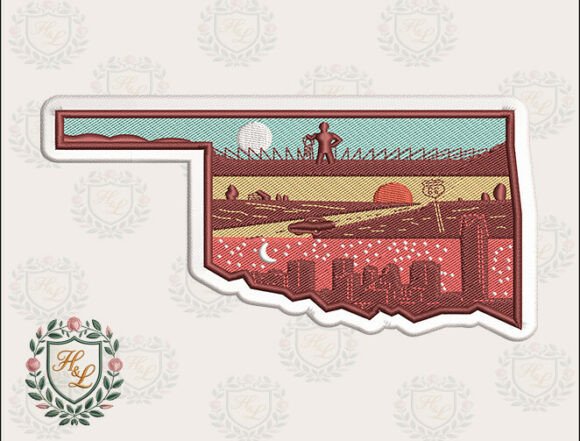
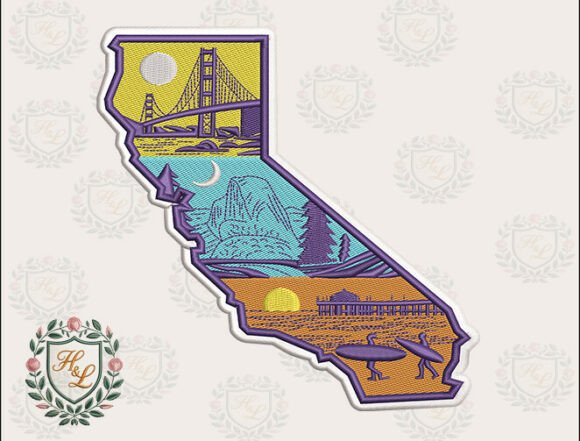
The first impression is warm, grounded, and quietly confident. It’s not flashy or trend-chasing—it’s elegant without being stiff, detailed without feeling fussy. There’s a gentle rhythm to the layers—coastline curves, mountain silhouettes, subtle sunbursts—that evokes nostalgia and place all at once. It feels handmade, even as a machine embroidery design. Not overly romantic or seasonal, but timeless enough for year-round use: think nursery decor in spring, wedding keepsakes in fall, custom tote bags for summer farmers’ markets.
Where This Design Truly Shines
Layers of California Embroidery Files isn’t just versatile—it’s *gift-ready*. Here’s where I’ve already planned its use in real client projects:
- Baby embroidery: Stitched onto organic cotton swaddle blankets or muslin crib sheets—soft layering mirrors the tenderness of new parenthood.
- Wedding gift: Embroidered on ivory linen pillow covers or hand-stitched guestbook sleeves. The design reads as personal, not generic—a quiet nod to shared roots or a dream destination.
- Personalized towel: Works beautifully on high-thread-count flour sack or waffle weave towels. The layered lines read clearly even at medium scale (4.5–5.5 inches wide), making it ideal for kitchen or spa gifting.
- Pillow cover & blanket embroidery: On textured fabrics like linen-cotton blends or brushed cotton, the design gains dimension—each “layer” visually separates, reinforcing the name and concept.
- Etsy seller & small shop product: Paired with a simple serif label (“Made in California” or “Hand-Embroidered in Portland”) and styled on neutral backgrounds, it elevates perceived value instantly. Buyers don’t just see a design—they see intention.
- Custom order preview: I used a printable mockup with three fabric swatches (light, mid, dark) to show clients how thread colors interact. That transparency builds trust before the first stitch.
Where to Use It Thoughtfully
This isn’t a “set-and-forget” embroidery file—and that’s a good thing. Its charm lies in its detail, which means thoughtful execution matters:
- Small lettering or fine interior lines? Review the smallest elements closely. If your customer orders a 3-inch version on a onesie, test first. Delicate details can blur on stretchy baby clothes or tightly woven piqué.
- Textured fabric or thick towels? Use cutaway + tear-away stabilizer combo. The layers benefit from firm support—especially where appliqué edges meet curved coastlines.
- Dark fabric? Confirm thread color contrast. Some lighter tans or sky blues may recede unless paired with tonal metallics or matte cottons designed for low-contrast depth.
- Frequent washing? Recommend cold gentle cycles and air-dry for finished products—especially embroidered towels and blanket embroidery. Reinforce that care note in your product description; it signals quality awareness to buyers.
- Curved surfaces (like apron pockets or tote bag gussets)? Hoop with light spray adhesive and baste the fabric flat. The design’s horizontal flow adapts well—but only if tension and placement are precise.
Why Customers Connect—And Keep Coming Back
Gift buyers aren’t shopping for stitches—they’re shopping for meaning. Layers of California Embroidery Files delivers that through subtlety: it doesn’t shout “California!” It whispers memory, connection, and belonging. That emotional resonance translates directly to engagement—longer site visits, saved listings, repeat orders from wedding planners and new parents alike.
Photograph it well: drape the embroidered pillow cover over a sunlit couch, fold the towel beside ceramic mugs, lay the blanket across a wooden bassinet. Natural light reveals the texture of the stitching—the way thread catches at each layered edge. That authenticity sells better than any stock photo.
For Etsy sellers and handmade product creators, this design also strengthens perceived craftsmanship. Because it’s a digital embroidery file built for nuance—not repetition—it invites customization: swap thread colors to match nursery palettes, adjust size for mini hoop art, or pair with monogrammed initials for dual-personality gifting (e.g., “San Francisco + LA” for long-distance couples).
Practical Notes Before You Stitch
I ran Layers of California Embroidery Files through my standard pre-production checklist—here’s what I’d advise you to do, too:
- Test on scrap fabric matching your intended product (e.g., terry cloth for towels, interlock knit for baby onesies).
- Compare thread color options side-by-side on light and dark fabric swatches—don’t rely on screen previews alone.
- Confirm hoop size compatibility. If your machine maxes out at 5x7”, verify the largest version fits comfortably with seam allowance.
- Review stitch density. Appliqué-heavy files can pile up quickly—check for smooth jump stitches and clean underlay.
- Use appropriate stabilizer: medium-weight cutaway for stable fabrics, lightweight fusible for linens, and temporary spray + tear-away for delicate items.
- After stitching, inspect small details with magnification—especially coastline edges and inner mountain contours. Trim stray threads gently.
- Before listing finished products for sale, confirm commercial licensing terms included with the embroidery file. Reputable North America-based designers typically include clear usage rights—but always verify.
In short: Layers of California Embroidery Files isn’t just another digital embroidery file. It’s a storytelling tool—one that helps small shop owners, baby product creators, and wedding gift designers deliver more than personalized gifts. They deliver moments, memories, and quiet pride in place. And when your customers feel that? They don’t just buy once. They remember where they felt seen—and come back for more.