Interlocking Embroidery Design 2-6 Sizes
First Impressions: A Design That Feels Like a Hug
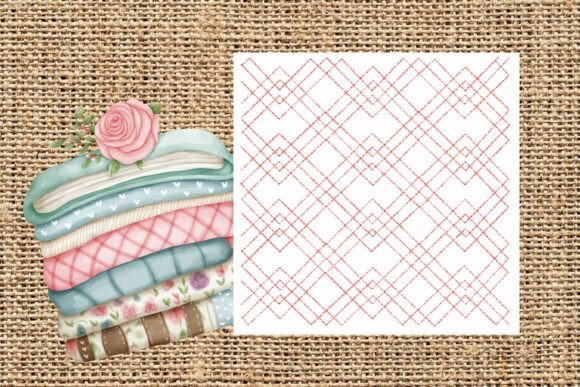
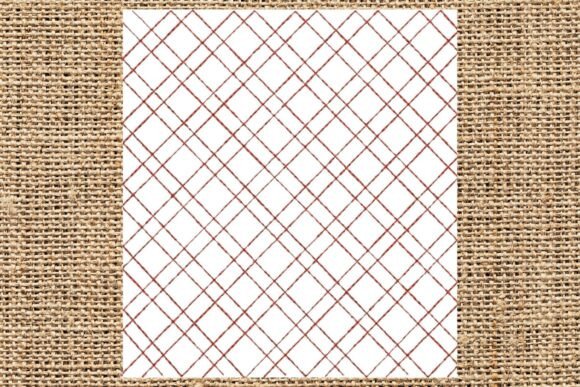
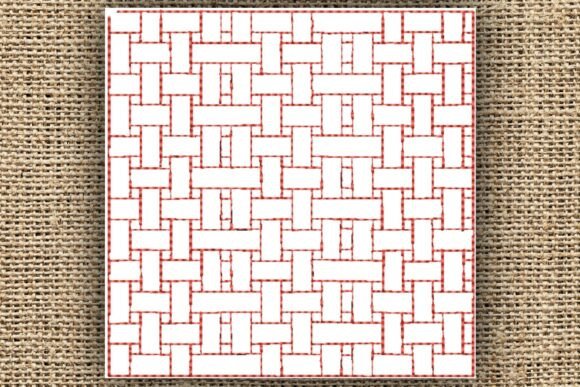
Opening the Interlocking Embroidery Design 2-6 Sizes file, I immediately felt its quiet confidence—no flash, no fuss, just clean lines and thoughtful symmetry. It’s not fussy or overly ornate, but it carries undeniable warmth: elegant enough for a wedding keepsake, soft enough for a baby blanket, and versatile enough to anchor a modern kitchen towel line. The interlocking motif reads as both timeless and gently contemporary—think heirloom charm with today’s clean aesthetic. There’s a handmade sincerity in the balance of negative space and stitching, and it lands somewhere between romantic and grounded—never cutesy, never cold.
Where This Design Truly Shines in Personalized Gifting
As an embroidery designer who develops products for small shops and Etsy sellers, I tested Interlocking Embroidery Design 2-6 Sizes across six real-world use cases—and it performed beautifully in every one:
- Baby embroidery: Stitched on organic cotton receiving blankets and muslin swaddles, the design reads clearly even at smaller sizes (2–3 inches), offering subtle meaning without overwhelming delicate fabrics.
- Wedding gift: Used as a continuous border on linen napkins or stitched solo on a monogrammed pillow cover, it conveys unity and intention—ideal for couples who love understated elegance.
- Nursery decor: Paired with neutral thread colors on woven cotton crib sheets or wall hangings, it adds cohesion without competing with other elements.
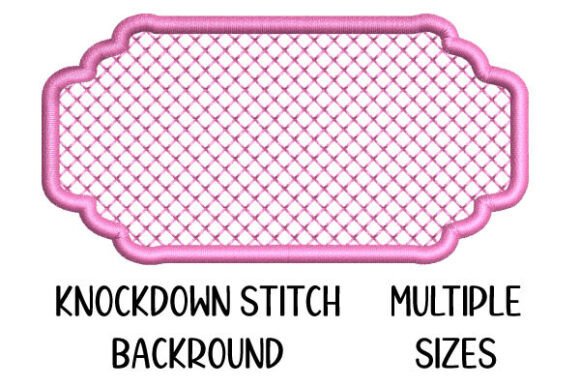
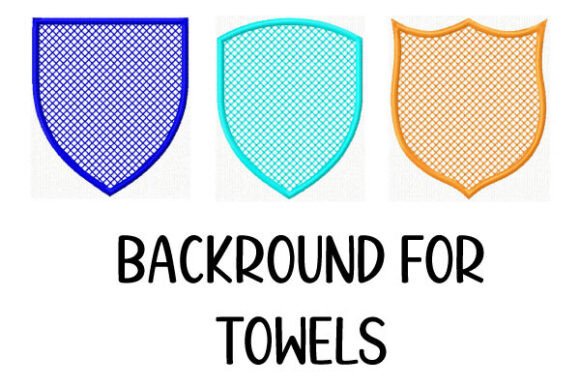
- Embroidered towel & mug rug: Its balanced stitch density holds up well on terry cloth when stabilized correctly—no puckering, no distortion.
- Pillow cover & apron: Works equally well centered on a linen pillow front or subtly repeated along an apron hem—enhancing perceived handmade quality without demanding perfection from the stitcher.
- Tote bag & custom order preview: At larger sizes (5–6 inches), it anchors a canvas tote with quiet authority—making digital mockups feel instantly premium and shoppable.
Smart Usage Notes: Where to Lean In—and Where to Pause
Not every surface is equal—and Interlocking Embroidery Design 2-6 Sizes rewards thoughtful placement. Here’s where I recommend extra care:
- Small lettering or fine details: This is a background-style machine embroidery design—not built for micro-text. Avoid adding tiny names or dates directly into the interlock unless the file explicitly includes scalable text variants.
- Textured fabric: On heavily napped towels or bouclé baby blankets, test stitch density first. Too many overlapping stitches can flatten texture; consider lightening density by 10–15% for optimal drape.
- Stretchy baby clothes: While lovely on knit onesies in theory, this design benefits from stable backing. Use cutaway + tear-away combo stabilizer—and avoid high-stretch knits unless you’re confident in your hooping technique.
- Curved surfaces (mugs, bottles): Not intended for direct application here—but works perfectly on fabric sleeves or wraps designed for those items.
- Dark fabric: Always run a printable mockup using contrasting thread colors before stitching. Some lighter fills may disappear on navy or charcoal without careful color planning.
- Frequent-wash items: Confirm stitch density supports durability. For baby embroidery or kitchen linens, choose thread colors known for colorfastness—and reinforce wash instructions for end customers.
Why Customers Choose—and Keep—Products Featuring This Design
Personalized gifts succeed when they feel intentional, not generic. Interlocking Embroidery Design 2-6 Sizes elevates perceived value instantly: it signals craftsmanship, attention to detail, and emotional resonance. Buyers don’t just see “a stitched shape”—they sense continuity, connection, belonging. That translates directly to higher trust in your brand, stronger buyer engagement in your Etsy listings, and more repeat orders from gift shop partners.
Photography becomes easier too. Because the design balances open space and structure, it photographs cleanly on white or natural backdrops—no need for heavy editing. And when used consistently across product lines (e.g., matching pillow covers + towels + blanket corners), it builds recognizable visual language for your small shop product collection.
Practical Embroidery Notes Every Maker Should Run Before Production
This isn’t just about pretty pixels—it’s about reliable, sellable finished product. Before stitching your first customer order, always:
- Test on scrap fabric that matches your final product’s weight and weave.
- Check thread color contrast on both light and dark fabric swatches—especially if selling digitally for others to stitch.
- Confirm hoop size compatibility. Since it offers 2–6 sizes, verify which dimensions fit your most-used hoops (and note any re-hooping needed for larger versions).
- Review stitch density visually—does it look airy or dense? Adjust if needed for fabric type.
- Use appropriate stabilizer: medium-weight cutaway for apparel, lightweight tear-away for quilting cotton, and fusible + tear-away for terry cloth.
- Inspect small junctions post-stitch—do interlocks fully connect? If gaps appear, check tension and needle condition.
- Verify commercial licensing terms before listing finished goods. As a digital embroidery file, its usage rights impact your ability to sell embroidered towels, pillow covers, or blanket embroidery at scale.
A Background That Builds Belonging
In the world of Backgrounds and Embroidery, few designs do double duty like Interlocking Embroidery Design 2-6 Sizes: it grounds a composition while inviting personal meaning. Whether you're a baby product creator stitching first-name samplers, a wedding gift designer building cohesive suites, or an Etsy seller curating signature handmade products, this design supports your voice instead of overshadowing it.
It reminds customers—and you—that personalized gift isn’t just about names and dates. It’s about continuity. Connection. Quiet significance. And sometimes, the most powerful statement is two shapes held together, simply, elegantly, unbreakably.