Plaid Geometric Embroidery - Six Sizes
A Designer’s First Stitch: Warm, Timeless, and Surprisingly Versatile
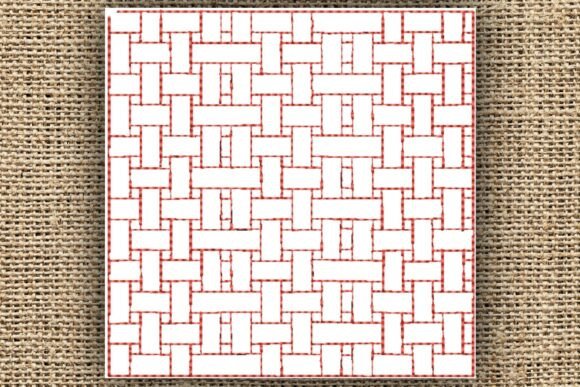
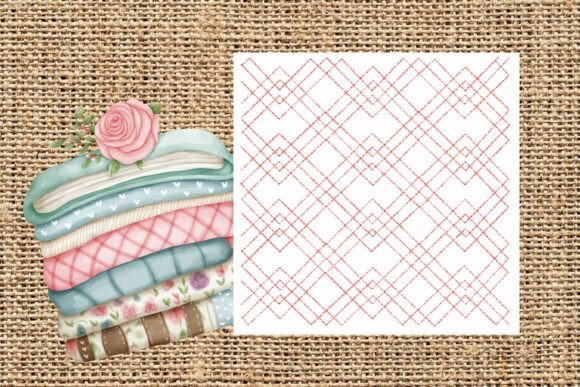
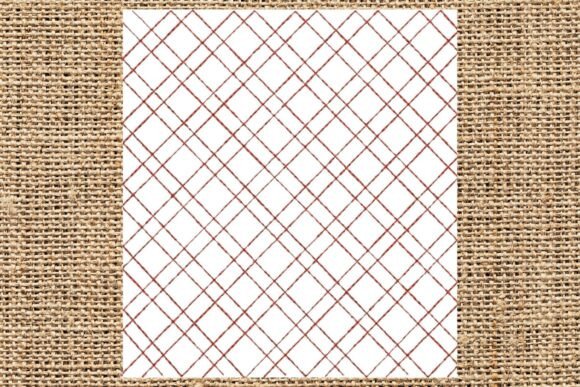
As an embroidery designer who’s developed over 300 custom patterns for baby boutiques, wedding studios, and Etsy shops, I opened Plaid Geometric Embroidery - Six Sizes expecting a clean, repeatable background—and what I found was something warmer. It’s not just a filler; it’s a quiet statement. The crisscrossing diagonal lines evoke classic wool plaids but rendered with modern precision—neither too stiff nor too loose. It feels handmade without looking rustic, elegant without feeling formal, and timeless without leaning into seasonal trends. There’s a gentle rhythm to the repeats that reads as comforting on a nursery blanket, refined on a linen pillow cover, and quietly confident on a monogrammed tote. It leans classic with a whisper of contemporary geometry—ideal for customers who value intentionality in their personalized gift.
Where This Design Truly Shines (and Why Your Customers Will Love It)
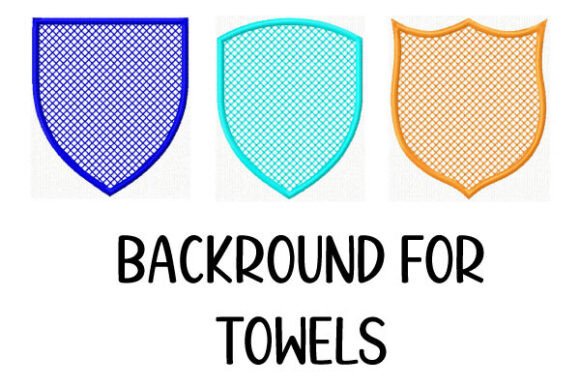
Plaid Geometric Embroidery - Six Sizes excels where texture meets meaning. For baby embroidery, it adds subtle sophistication to organic cotton swaddles or muslin blankets—no loud motifs needed, just soft visual warmth that photographs beautifully next to tiny hands. As a wedding gift, it frames monograms on heirloom-style pillow covers or wraps elegantly around the border of a hand-stitched keepsake box. In nursery decor, it grounds minimalist wall hangings or adds depth to neutral-toned crib skirts. And for small shop products? It’s a quiet differentiator: an embroidered towel with this plaid background feels more considered than one with a generic swirl, and a custom apron gains instant artisan credibility.
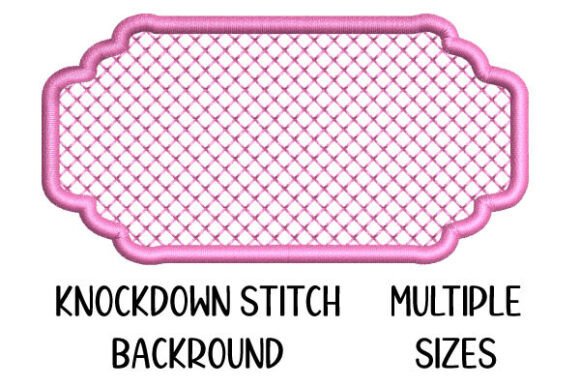
Etsy sellers will appreciate how well it performs across categories. Use the smallest sizes for delicate accents on bibs or onesies (paired with a simple initial), mid-sizes for balanced coverage on kitchen towels or tote bags, and the largest iterations as bold, confident backdrops for large-format pieces like throw blankets or wall art. It also works beautifully as a “frame” for other designs—think a central floral motif surrounded by a subtle plaid border. Because it lives in the Backgrounds category, it invites layering without competing. That flexibility makes it a go-to for digital embroidery file bundles aimed at crafters building cohesive product lines.
Where to Pause—and Stitch With Intention
Like any strong design, Plaid Geometric Embroidery - Six Sizes rewards thoughtful application. Avoid pairing it with ultra-fine lettering or intricate inner details—its strength is in its confident repetition, not micro-precision. On highly textured fabric (like thick terry cloth or bouclé), test stitch density first: too dense, and the pattern can flatten; too light, and the diagonals may blur. Similarly, stretchy baby clothes require extra stabilizer support—this isn’t a design to embroider directly onto knits without backing reinforcement.
Curved surfaces (think rounded tote handles or contoured pillow forms) need careful hooping and possibly slight scaling adjustments to keep line integrity. And while it looks stunning on light fabric, always run a printable mockup on dark fabric: contrast matters. A deep navy or charcoal base may mute thread colors unless you choose high-contrast threads—or intentionally lean into a tonal look. Finally, if your finished product will face frequent washing (baby blankets, kitchen towels), confirm the stitch density supports durability without excessive bulk.
How It Elevates the Entire Customer Experience
This isn’t just about stitches—it’s about perceived value. When a customer sees Plaid Geometric Embroidery - Six Sizes on a personalized gift, they register care, consistency, and quiet confidence. It signals that the maker didn’t grab the first free download—they chose something intentional. That builds trust. In product photography, its clean geometry creates natural visual hierarchy: it recedes just enough to let monograms or names shine, yet adds enough texture to prevent flatness. On Etsy listings, it helps handmade products stand out amid algorithm-fed sameness—shoppers scrolling for “nursery embroidery” or “wedding pillow cover” instantly recognize its refined utility.
For wedding gift designers, it fosters emotional connection: couples remember the *feeling* of a gift—not just the item. That soft, structured plaid whispers tradition and thoughtfulness. For baby product creators, it conveys calm assurance—no clutter, no trend-chasing, just warmth built to last. And for craft fair sellers? It’s a conversation starter: “Oh, is that a plaid? But not *just* plaid—it’s so clean!” That moment of noticing is where handmade quality becomes tangible.
Practical Notes Before You Hoop Up
Before stitching your first customer order, treat Plaid Geometric Embroidery - Six Sizes like any commercial embroidery workhorse:
- Test on scrap fabric—especially if using new thread colors or unfamiliar stabilizer combos.
- Check thread color contrast against both light and dark fabric mockups before finalizing your palette.
- Confirm hoop size compatibility: some sizes may require larger hoops for full coverage—verify before digitizing or resizing.
- Review stitch density: if your machine hesitates or fabric puckers, reduce density slightly rather than adding more stabilizer.
- Use proper stabilizer: medium-weight cutaway works best for stable fabrics; tear-away + light cutaway hybrid suits towels and linens.
- Compare light and dark fabric mockups side-by-side—not just digitally, but stitched.
- Check small details after stitching: ensure diagonal intersections remain crisp, especially at smaller sizes.
- Confirm commercial licensing before selling finished products—this is a digital embroidery file intended for use in handmade product creation, not redistribution.
Remember: the magic of Plaid Geometric Embroidery - Six Sizes isn’t in perfection—it’s in its quiet reliability. It’s the background that lets your customer’s story take center stage. Whether you’re stitching a baby’s first blanket, a couple’s wedding keepsake, or a small shop’s signature tote, this design doesn’t shout. It supports. It endures. And in the world of personalized gift, that kind of quiet strength is exactly what sells.