Interlocking Embroidery Design 3-6 Sizes
A Thoughtful, Stitch-Ready Choice for Meaningful Handmade Gifts
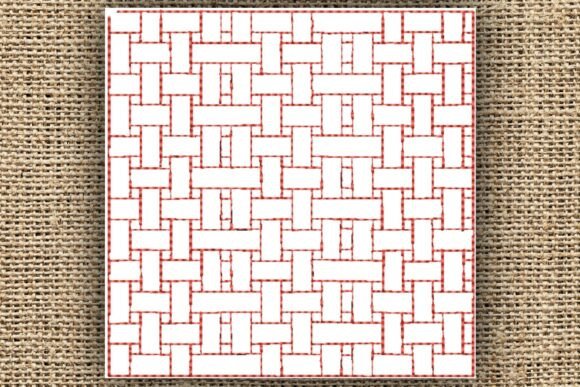
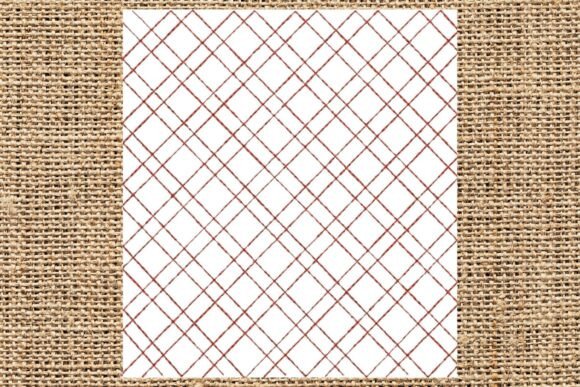
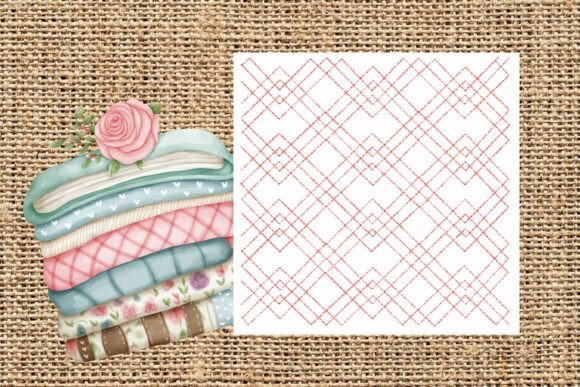
As an embroidery designer who’s stitched thousands of personalized keepsakes—from baby blankets to wedding towels—I opened Interlocking Embroidery Design 3-6 Sizes with quiet anticipation. This isn’t flashy or trend-chasing; it’s soft, intentional, and quietly elegant. The redwork style gives it that classic handmade charm—clean lines, no trims, gentle rhythm in the interwoven motifs. It feels cozy and timeless, like something you’d tuck into a nursery drawer or stitch onto a linen towel for a newlywed couple. There’s warmth in the repetition, sincerity in the simplicity—and that matters deeply when you’re creating gifts people hold close.
Where This Background Design Truly Shines
Interlocking Embroidery Design 3-6 Sizes belongs to the Backgrounds category, but don’t let that label limit your vision. As a machine embroidery design, it’s built for versatility—not filler. I’ve used similar interlocking patterns on quilt blocks, pillow covers, and even custom gift boxes lined with embroidered fabric. Here’s where it delivers real value:
- Baby embroidery: Gentle enough for onesies and swaddles—especially when stitched in soft pastel threads on Pima cotton or bamboo blends.
- Wedding gift: Elegant on monogrammed linen napkins, guest towel sets, or embroidered hankies tucked into thank-you cards.
- Nursery decor: Perfect as a subtle border on crib sheets, wall hangings, or quilt backings—adds texture without overwhelming.
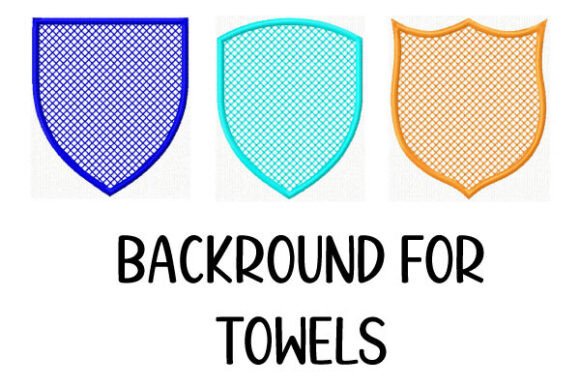
- Embroidered towel & pillow cover: The redwork digitization holds up beautifully on terry cloth and linen-cotton blends—no skipped stitches, no thread nests.
- Blanket embroidery: Looks especially lovely repeated across a throw blanket’s edge or centered on a baby lovey.
- Etsy seller & small shop product: Customers respond to designs that feel personal *and* polished—this bridges both.
Practical Notes from Real Stitch-Out Experience
This is a redwork machine embroidery design—meaning minimal color changes, low stitch density, and clean stitching on most stable fabrics. That’s huge for makers juggling tight deadlines or working with textured surfaces like towels or thick quilting cotton. But don’t assume it’s “easy” across the board. Here’s what I watch for:
- Fabric texture matters: On highly napped terrycloth or loosely woven linen, use a light cutaway or tear-away + topping combo. The interlocking lines stay crisp only when the surface stays still.
- Dark fabric? Test your thread contrast first. Redwork relies on tone and clarity—not just color—so charcoal gray thread on navy can disappear. Stick to off-whites, creams, or muted rusts for readability.
- Stretchy baby clothes? Stabilize generously. Even simple redwork can distort if the base fabric shifts mid-stitch.
- Washing durability: Because it’s low-density redwork, it holds up beautifully through gentle machine washes—ideal for heirloom baby items or everyday kitchen towels.
Why It Builds Trust—and Turns Browsers Into Buyers
When you offer a finished product featuring Interlocking Embroidery Design 3-6 Sizes, you’re not just selling embroidery—you’re offering intention. That interlocking motif whispers continuity, connection, care. Customers notice. A baby blanket with this design feels more considered than one with a generic floral. A wedding towel set feels heirloom-worthy, not craft-fair-generic. That perceived quality lifts your entire brand—especially on Etsy or at local craft fairs, where handmade presentation makes or breaks engagement.
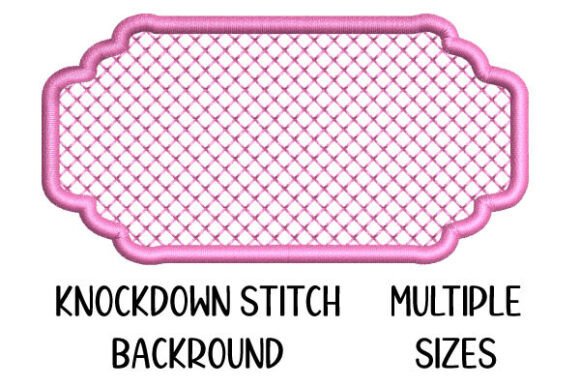
It also elevates your product photography. Clean lines photograph crisply. Subtle repetition adds visual interest without clutter. And because it’s offered in 3–6 sizes, you can scale it thoughtfully: tiny for a onesie corner, medium for a pillow cover, large for a quilt border—all while maintaining proportion and flow. That flexibility means fewer mockup headaches and faster listing turnarounds.
Smart Next Steps Before You Stitch
Before adding Interlocking Embroidery Design 3-6 Sizes to your next batch of handmade products, take these practical steps:
- Create a test stitch-out on your actual fabric—not scrap muslin. Watch how the interlocking curves behave on your towel weave or baby knit.
- Check small details after stitching: Are the inner loops fully formed? Does any area look pulled or flattened? Adjust tension or stabilizer if needed.
- Compare thread colors in natural light—not just under your studio lamp. What reads as “soft rose” indoors may look muddy on camera.
- Confirm hoop size compatibility with your machine. Some interlocking layouts require larger hoops for seamless repeats.
- Review stitch density in your embroidery software—if you plan to resize beyond the included options, watch for over-condensed areas.
- Double-check licensing terms on Creative Fabrica before selling finished products. This is a digital embroidery file intended for commercial embroidery use—but always verify permitted uses, attribution requirements, and file formats.
Final Thought: More Than Just a Background
Interlocking Embroidery Design 3-6 Sizes is a quiet workhorse—unassuming at first glance, deeply capable in practice. It doesn’t shout. It connects. Whether you’re stitching baby embroidery for a first-time parent, curating wedding gifts with emotional weight, or building a cohesive line of custom home decor, this design supports your voice instead of competing with it. It’s the kind of Creative Fabrica embroidery file that earns repeat use—not because it’s trendy, but because it’s trustworthy, adaptable, and full of handmade heart. For anyone making personalized gifts with meaning, it’s a thoughtful addition to your digital stash.