Wildflower Line Art Border Embroidery
A Delicate Frame That Feels Like a Breath of Air
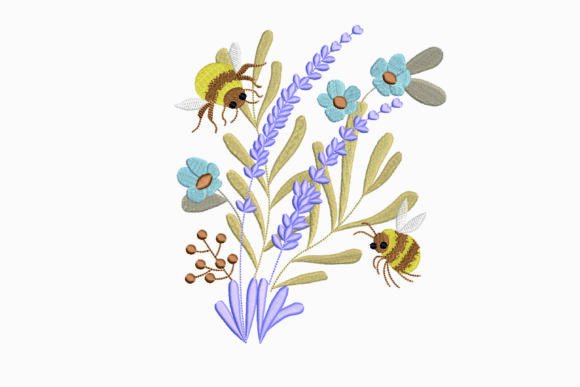
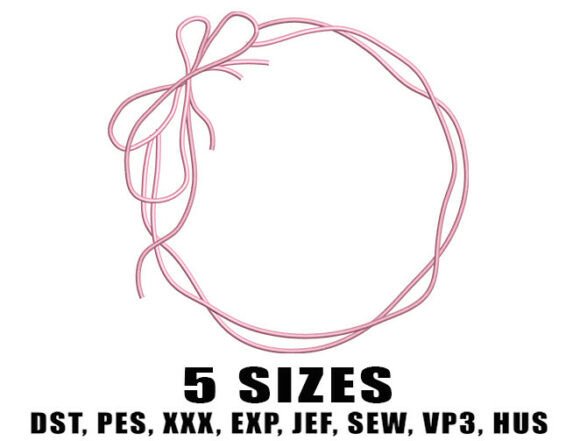
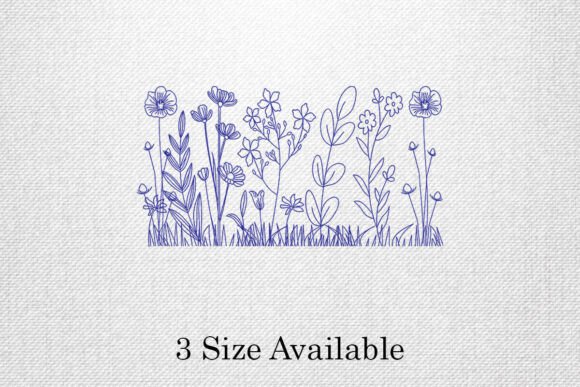
First glance at the Wildflower Line Art Border Embroidery isn’t about bold impact—it’s about quiet intention. The design reads as a single, continuous line drawing: slender stems, unfurling leaves, and blossoms that suggest variety without naming species. No heavy satin stitches, no dense fill areas—just confident, rhythmic running stitches tracing nature’s soft geometry. It doesn’t shout “floral!”; it whispers “thoughtful detail.” That makes it ideal for projects where elegance lives in restraint: a linen tea towel for a boutique kitchen line, the hem of a baby romper, or the cuff of an organic cotton apron.
Where It Shines—And Why Customers Notice
I recently tested the Wildflower Line Art Border Embroidery on a set of unbleached canvas tote bags for a local florist’s pop-up shop. Stitched in ecru thread on natural fabric, the border wrapped cleanly around the bottom third of each bag—no crowding, no visual competition with the hand-lettered logo above it. Customers paused. They ran fingers along the stitching. One said, “It feels like something made just for this bag—not slapped on.” That’s the power of a well-balanced outline design: it supports the product instead of competing with it.
For Etsy sellers and small shop owners, this border works especially well on items where texture and tactility matter—linen pillow covers, organic cotton sweatshirts, and lightweight summer caps. Because it’s built from clean lines rather than dense fills, it holds up beautifully on medium-weight fabrics without adding stiffness. It also translates smoothly into printable mockups: the simplicity means your digital previews look crisp at any size, and buyers instantly grasp how it will elevate their finished product.
Real-World Considerations Before You Stitch
This isn’t a one-size-fits-all embroidery file. Its lightness is its strength—and its limitation. On dark or heavily textured fabrics (like terry cloth towels or bouclé knit), fine line work can blur or disappear unless you adjust thread color contrast deliberately—think charcoal gray on navy, or white on deep olive. On stretchy knits (think baby onesies or lounge tees), stabilizer choice becomes non-negotiable: a light cutaway or tear-away combo keeps those delicate stems from distorting during wear and wash.
Caps and curved surfaces demand extra attention. The border’s gentle rhythm breaks down near the bill seam or crown curve if hooped too tightly or stitched without proper underlay. I recommend testing on a cap blank first—not just to check registration, but to see how the line flows across the dome. If corners feel pinched or corners lose definition, consider shortening the repeat or anchoring key blooms with tiny satin-stitch centers (a simple edit most digitizing software allows).
What This Design Says About Your Brand
Using the Wildflower Line Art Border Embroidery signals care—not just in execution, but in curation. It tells customers you value subtlety over saturation, craftsmanship over clutter. For handmade product sellers, that builds trust faster than any description. A personalized gift with this border feels intentional, not templated. A holiday embroidery on a linen napkin feels heirloom-ready. Even in commercial embroidery settings—say, branding for a wellness studio or botanical skincare line—the design reinforces calm, grounded values without saying a word.
Practical Designer Notes You’ll Actually Use
- Always test on scrap fabric first—especially if pairing with textured or dark materials. Watch how thread lies, not just how it looks on screen.
- Check stitch density in your embroidery software. While the design avoids heavy fills, overlapping stems or tight curves may still create subtle build-up. Adjust if needed for breathability on baby items or summer apparel.
- Confirm hoop size compatibility before digitizing for production. Some versions of this border may extend beyond standard 4x4 hoops—verify before committing to a batch run.
- Inspect small details at 200% zoom: petal tips, stem junctions, and line continuity matter more here than in a bold motif. One broken connection reads as error, not artistry.
- Test black-and-white mockups alongside color versions—many buyers browse in grayscale thumbnails, and this design must retain clarity even without hue cues.
- Use appropriate stabilizer—lightweight cutaway for knits, tear-away for stable wovens, and avoid heavy mesh unless stitching on unstable synthetics.
- Review licensing terms carefully before selling finished items or reselling the digital embroidery file. As an embroidery designer and seller myself, I never assume commercial use is included unless explicitly stated.
Final Thought: Less Is Anchored, Not Empty
The Wildflower Line Art Border Embroidery doesn’t try to be everything. It’s not a statement piece. It’s a grounding element—a quiet signature that says, “This was made with attention.” In a market flooded with busy, over-digitized motifs, its restraint is its rarity. Whether you’re designing for a craft fair booth, building an Etsy shop identity, or creating custom apparel for a mindful brand, this border earns its place by enhancing—not defining—the object it adorns. Use it where you want people to lean in, not step back. And always, always stitch it like it matters—because for your customer, it does.